The Two-Way Classroom: How Gen Z and Millennials Are Trading Digital Skills and Rewriting the Rules of Online Creativity
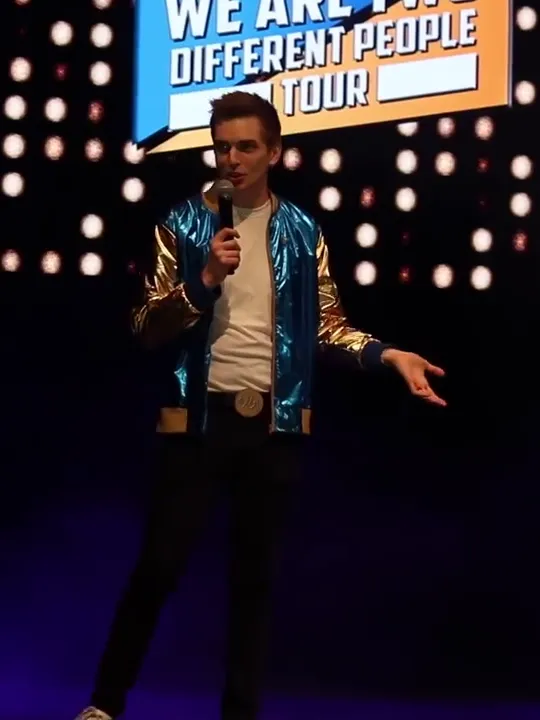
Photo: 2 Danny 2 Furious, CC BY 3.0, via Wikimedia Commons
Katie, a 38-year-old marketing manager from Austin, spent most of her adult life consuming entertainment rather than making it. She watched YouTube religiously, followed creators on Instagram, and occasionally posted a photo or two. Then her 22-year-old cousin sat her down over Thanksgiving and spent three hours walking her through the basics of short-form video — not just the technical stuff, but the strategy, the pacing, the unspoken rules of what makes something actually watchable in 2024. Six months later, Katie has a growing TikTok account about mid-century modern furniture restoration with over 12,000 followers.
"I always thought content creation was for people younger than me," she says. "She showed me that wasn't true. But she also taught me things about being genuine online that I genuinely hadn't thought about before."
Katie's story isn't unique. Across the country, a quiet but genuinely fascinating knowledge exchange is happening between millennials and Gen Z in digital entertainment spaces — one that's more nuanced, more mutual, and more interesting than the usual "young people teaching old people how to use apps" narrative.
It's Not Just Tech Literacy Anymore
Let's get one thing clear upfront: this isn't really about millennials not knowing how to use their phones. Most people in their late 20s and 30s are perfectly comfortable with technology. What Gen Z is actually teaching older creators is something more subtle and arguably more valuable — a different philosophy of online presence.
Growing up as digital natives who watched the influencer economy evolve in real time, Gen Z has developed a sophisticated, almost instinctive understanding of authenticity as a strategic value. They can spot performative vulnerability from a mile away. They know that over-produced content often feels less trustworthy than something shot on a shaky phone in a messy bedroom. They understand community dynamics, comment section culture, and the unwritten social contracts of different platforms in a way that many older creators are still learning.
"I see a lot of millennials coming into content creation with this polished, professional mindset," says Jordan, a 24-year-old creator and informal mentor who runs a media literacy workshop out of Chicago. "And that's not wrong, but it can come across as trying too hard. I help them loosen up. Show the mess a little. People connect with that."
What the Older Crowd Brings to the Table
But here's where the story gets more interesting than a simple "Gen Z teaches millennials to be relatable" arc. The exchange is genuinely bidirectional, and what millennials and older creators bring to the table is increasingly recognized as essential.
For starters, there's experience navigating professional structures — understanding contracts, brand partnerships, and the business side of creative work in ways that younger creators sometimes learn the hard way. There's also a broader cultural memory that gives depth to content. A millennial creator making a video about 2000s pop culture isn't just being nostalgic; they're drawing on lived experience that younger audiences actually find fascinating.
More than that, many older creators bring what you might call "long-game thinking." They've watched trends come and go, seen platforms rise and fall (RIP Vine), and tend to approach community building with a patience that can be genuinely useful in a landscape that rewards consistency over virality.
"My older collaborators taught me to think past the next video," admits Priya, a 21-year-old beauty creator from New Jersey who has been co-producing content with her 35-year-old friend and former coworker for the past year. "I was so focused on growth hacks. She helped me think about what I actually wanted to build."
Cross-Generational Collabs Are Becoming a Content Category
What's particularly exciting from an entertainment perspective is that this knowledge exchange isn't just happening behind the scenes — it's becoming content itself. Cross-generational collaboration videos, reaction series, and "teaching my [age gap] friend how to [platform skill]" formats have carved out a real niche across YouTube and TikTok.
Part of the appeal is the genuine dynamic tension these videos capture. When a 40-year-old is learning to do a trending audio trend from a 20-year-old, or when a Gen Z creator is getting schooled on the history of a cultural moment they were too young to experience, there's an authentic chemistry that's hard to manufacture. Audiences can tell when people are actually learning from each other versus performing a dynamic for the camera.
Some of the most successful cross-generational content leans directly into the contrast — playing up the generational differences while making it clear that both people have real things to offer. It's a format that works because it reflects something people are actually experiencing in their own lives, whether at work, in families, or in friend groups that span age ranges.
What This Means for Entertainment Culture Broadly
Zoom out a little and this trend starts to look like something genuinely significant for how entertainment culture is organized in the US. For most of media history, the entertainment industry had a pretty clear idea of who got to make things and who got to watch them. The rise of accessible creator tools has already scrambled that. But the cross-generational knowledge exchange is scrambling it further — democratizing not just the tools but the know-how, spreading it across age groups in ways the industry didn't really anticipate.
It also challenges the assumption that digital entertainment is primarily a young person's game. The fastest-growing demographic on several major platforms right now is people over 35. And as more of those users move from passive consumption to active creation — often with a little help from someone younger — the range of voices, perspectives, and experiences showing up in digital entertainment keeps expanding.
"There's room for everyone," Katie says, scrolling through comments on her latest furniture restoration video. "I think I believed there wasn't, for a long time. That was the thing I had to unlearn."
Her cousin, apparently, was a pretty good teacher.