The Crowd Is Gone: What We Actually Lost When Watching Became a Solo Sport
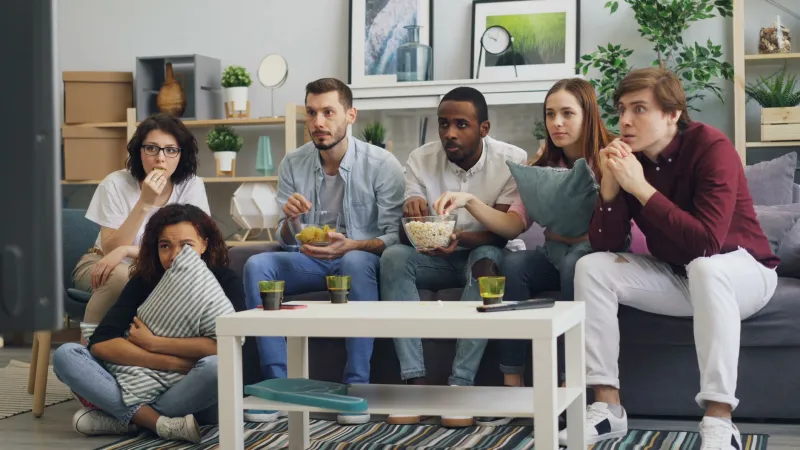
Remember where you were when the Red Wedding happened? Or when Tony Soprano cut to black? Or when the Lost finale aired and half the country lost its mind simultaneously?
Those moments weren't just about the shows. They were about being part of something — a collective experience that played out in real time, across living rooms and bars and office break rooms the next morning. You didn't need to know someone well to have an instant conversation starter. You just needed to have been watching.
That kind of shared cultural moment is getting harder to manufacture. And the reasons why go a lot deeper than just switching from cable to streaming.
Appointment TV Wasn't Just a Schedule
It's fashionable to celebrate the death of appointment television. No more being chained to a network's arbitrary schedule. No more missing the episode because you had plans. The on-demand revolution was framed entirely as liberation — and in a lot of ways, it genuinely was.
But appointment TV wasn't just a logistical constraint. It was also a synchronization mechanism. When Friends aired Thursday nights at 8pm, it wasn't just a show — it was a shared event. Millions of people were doing the same thing at the same time, and that simultaneity created a kind of invisible social fabric. You could talk about it the next day because you both experienced it fresh. The water cooler conversation was real because the water cooler moment was real.
On-demand consumption dismantled that synchronization. Now, one person is on episode four and another is still on episode one, and suddenly the whole social dynamic around watching changes. You can't talk about it freely. You have to navigate spoiler etiquette, stagger your viewing, or just give up on the conversation entirely.
The Theater Experience Is a Different Problem
The pandemic accelerated something that was already happening: the slow erosion of moviegoing as a default social activity. Streaming platforms started releasing films simultaneously on-demand. The theatrical window shrank. And a generation of younger viewers grew up understanding the couch as the primary venue for film consumption.
This matters because the movie theater isn't just a delivery mechanism for content — it's an environment specifically designed to create a collective experience. The darkness, the shared screen, the involuntary reactions of strangers around you — laughter, gasps, the uncomfortable silence after something devastating — these are part of the meaning-making process. Research on emotional contagion suggests that we actually feel things more intensely when we're surrounded by others feeling the same thing.
Watching a horror movie alone on your laptop and watching it in a packed theater on a Friday night are genuinely different experiences, not just logistically but neurologically. The theater version tends to lodge deeper in memory, feel more significant, create stronger social bonds around the shared event.
When we moved that experience to the couch, we gained convenience and lost intensity.
The Workarounds We Built
Here's the thing about human beings: we're social animals, and we don't just accept isolation without trying to engineer our way around it. So when streaming fragmented the viewing experience, people started building new infrastructure to replicate the feeling of watching together.
Netflix Party — now called Teleparty — became genuinely popular during the pandemic lockdowns. Discord servers for specific shows created spaces where fans could process episodes in real time, trade theories, and recreate something like the communal experience they'd lost. TikTok and Twitter became informal venues for live-reaction content, where watching someone else watch something became its own genre. Twitch expanded from gaming into watch parties for movies and sports.
These are genuinely creative solutions, and for a lot of people they work. But they also require active effort — you have to seek out the community, coordinate schedules, find the right server, install the extension. What used to happen automatically, just by virtue of everyone watching the same channel at the same time, now requires deliberate social labor.
And not everyone has the bandwidth for that. Which means the audiences who benefit most from these workarounds tend to be the most digitally engaged — younger, more online, already plugged into fandom communities. Everyone else just... watches alone.
When the Algorithm Isolates You Further
There's a particularly tricky layer to this conversation that doesn't get enough attention: even when millions of people are watching the same show, they're often not having the same experience of it.
Streaming platforms personalize more than just recommendations. They influence what you see in trailers, how content is marketed to you, and increasingly, even the thumbnail images used to represent a show — which are A/B tested and personalized based on your viewing history. Two people watching the same Netflix show might have arrived at it through completely different emotional entry points, based on entirely different marketing.
The algorithm doesn't just curate what you watch. It shapes the context in which you watch it. And that means two people who are technically consuming the same content are doing so inside slightly different bubbles — different expectations, different emotional priming, different adjacent content shaping the experience.
Shared viewing, in the truest sense, requires more than watching the same title. It requires something like a shared context. And platforms are specifically designed to erode shared context in favor of personalized ones.
What Connecting Over Content Actually Does
This isn't just a nostalgia argument for the good old days of network television. There's something substantive at stake in how we use entertainment to connect with each other.
Shared media experiences have historically been one of the primary ways that people — especially people who don't know each other well — find common ground. Pop culture references are social lubricant. They're how coworkers break the ice, how first dates find footing, how strangers signal that they belong to the same cultural tribe. When everyone was watching the same handful of channels, that common vocabulary was almost automatically shared.
Fragmentation doesn't eliminate that function, but it makes it harder and more effortful. You have to work to find the overlapping Venn diagram of what you've both seen. And increasingly, the algorithm is steering you toward content so specifically tailored to your individual profile that the overlap with other people's feeds keeps shrinking.
The watch party features and fan Discord servers are real and meaningful. But they're also patches on a system that was redesigned around individual consumption. Watching together — really together, in the same room or the same moment — still does something that no virtual workaround has fully replicated.
Maybe that's worth protecting a little more intentionally than most of us have been.